When do I use this yarn?
When I was first learning to knit, I chose my yarn based on color and weight (e.g., sport, bulky) without thinking much about the content or type of fiber used in the yarn and how that might affect the final project. As I started following patterns, I usually went with the same yarn that the designer used for a particular project. But what happens when that yarn is not available, or not in your budget? How do you choose what yarn to use? *
We’ve probably all had yarn choices that did not go as planned. One of my early baby blankets, knit with a chunky cotton blend, probably weighed more than the baby – yet my friend Laura graciously accepted this with a loving smile. Similarly, I once made myself a sweater, holding cotton with a superwash merino that I thought would be cozy and soft. But in the end, the sweater was too heavy, and the arms grew way beyond my fingertips. Clearly, I had not made the best choices in fiber composition for these projects.

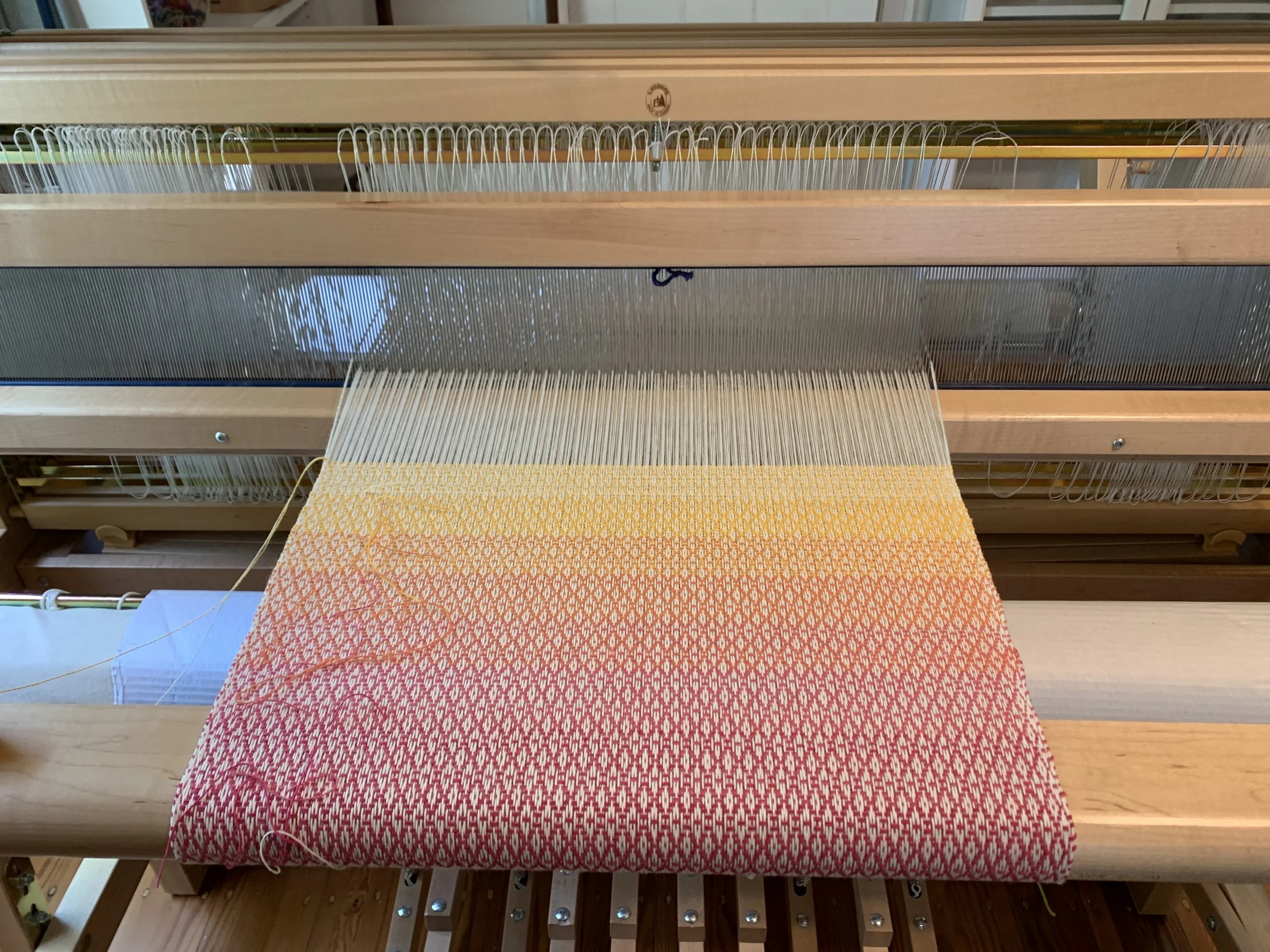
Yet it was a few years later while learning different fiber arts before I really started to appreciate the impact of fiber choice in yarn—how the inherent characteristics of the fiber might impact the final item I was making. For example, weaving taught me that certain types of fiber might make a better warp able to withstand tension (e.g., linen), while other fibers might pill or break (e.g., singly ply merino silk).
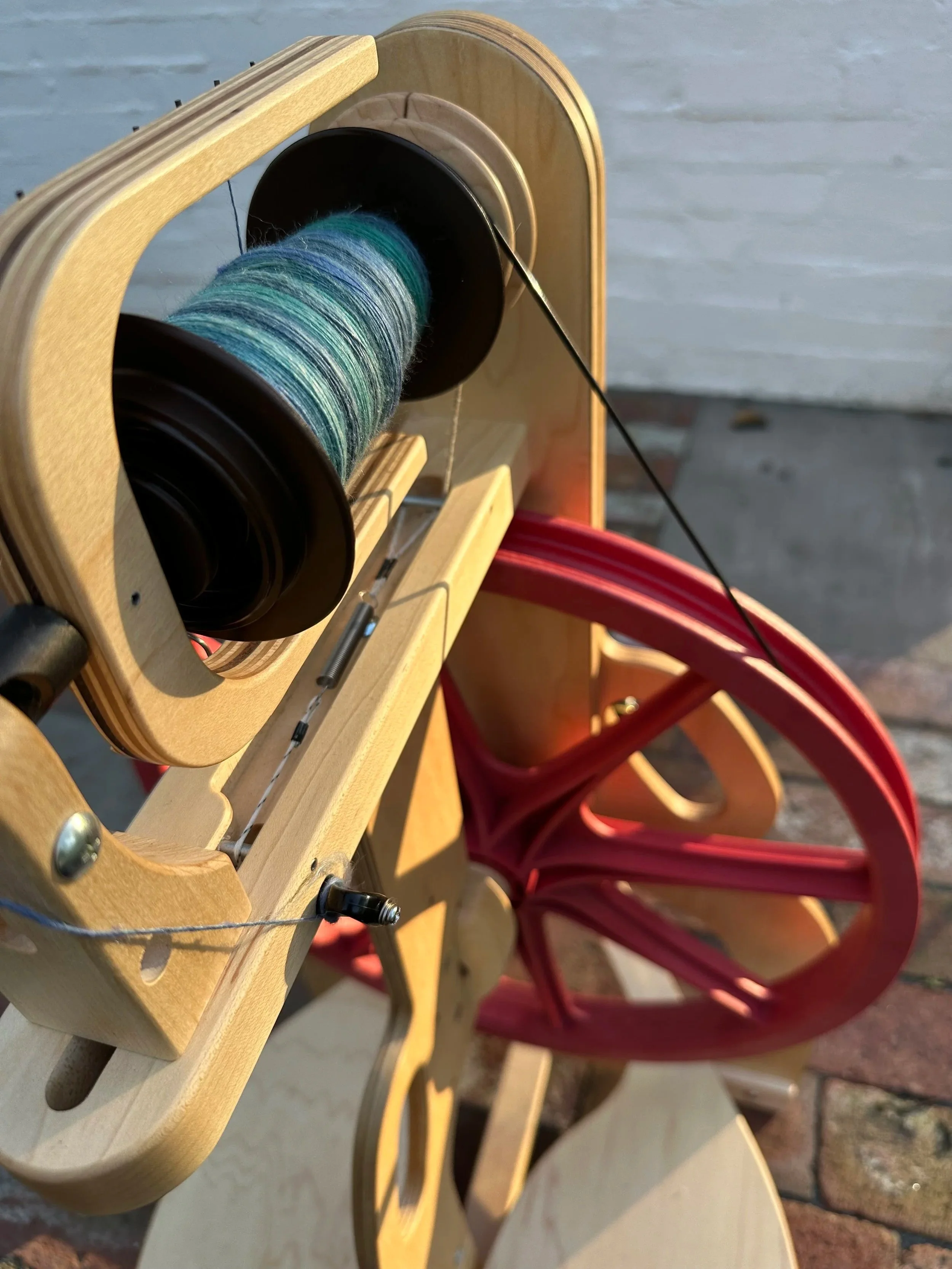
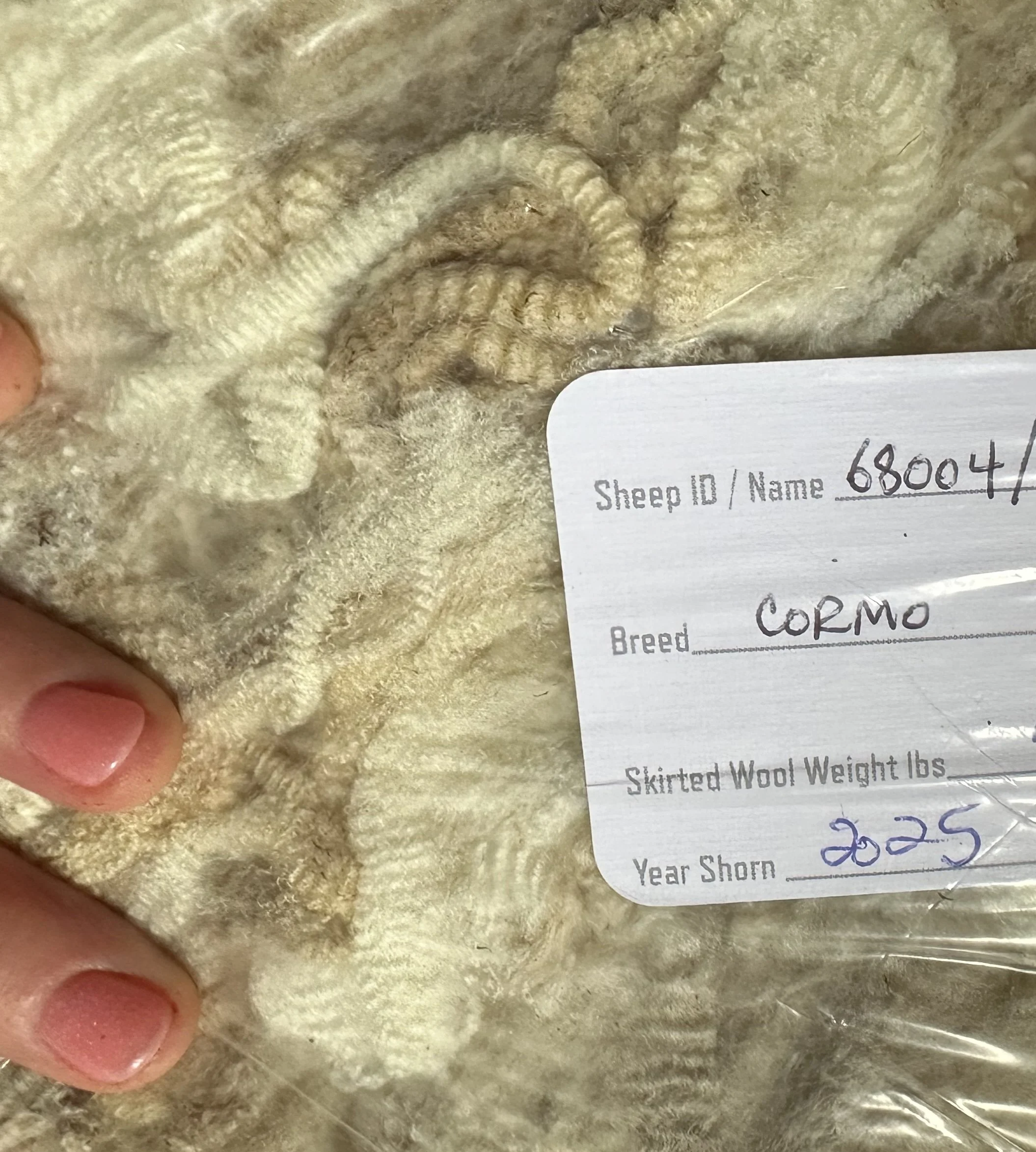
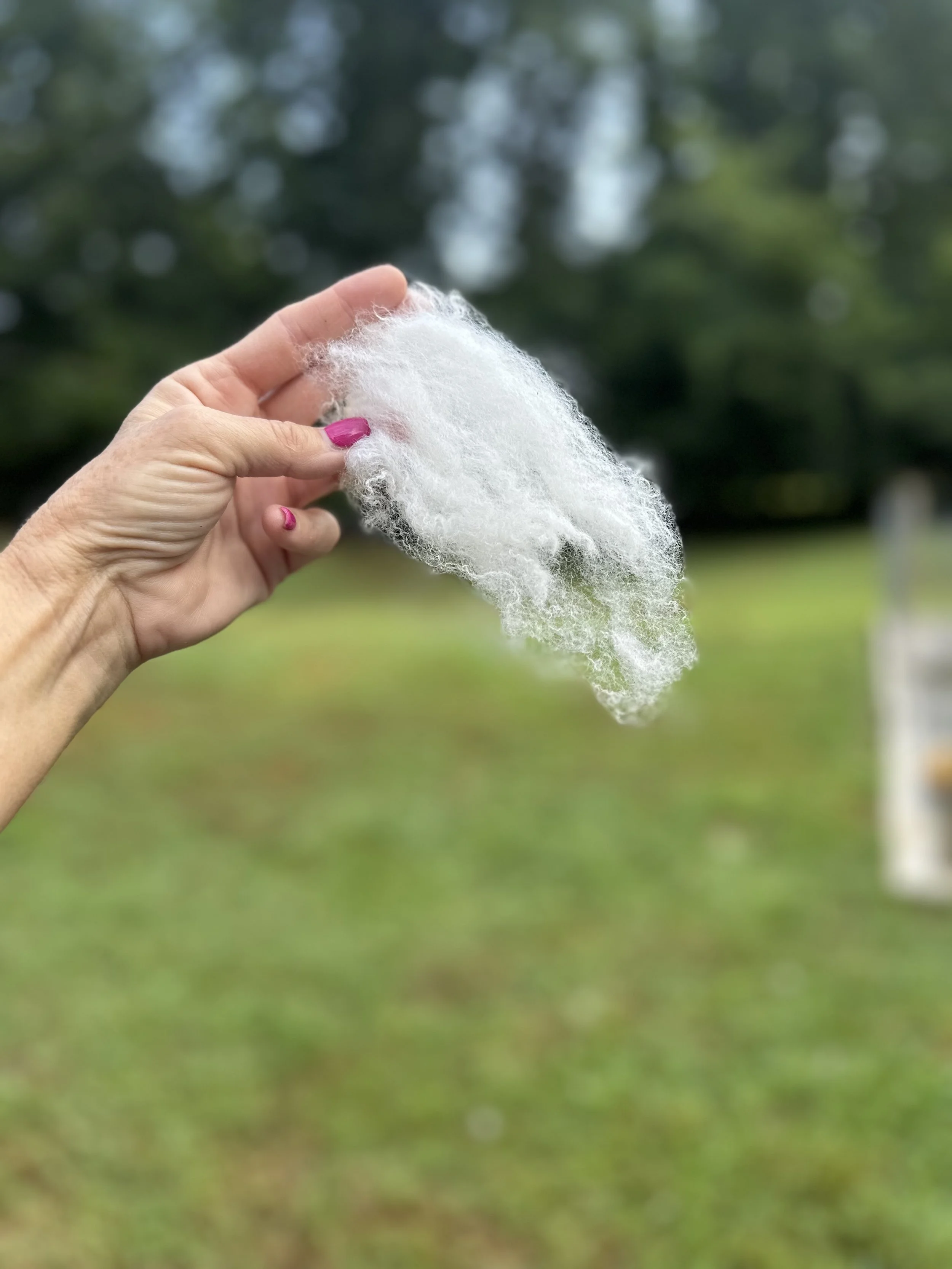
Learning to spin really solidified the importance of fiber characteristics. For example, creating a yarn for a hat or mitten, is very different from creating a yarn for summery, flowing shawl. In the first example, I might use a Cormo wool because the fiber is very fine and will be soft, yet the strong crimp in the fiber will help the yarn spring into (and maintain) shape. For the summer shawl, I might use a linen that is made of long, cool fibers without the springiness.
You don’t have to become a weaver or spinner to understand and appreciate the nuances of different fibers. There are a variety of resources available, and if you do want a deeper dive, we are happy to share the ones that have helped us. In the meantime, we thought it might be helpful to give a brief overview of some of the main fibers we use in our yarns, their strengths and weaknesses, and what types of projects they might be best for.
Please note that this is not meant to be an exhaustive list of fiber types (or descriptions of them). These are fibers that we have enjoyed using in yarns while making things in our own fiber journey. And, these are the fibers we have selected for the yarns we use in our natural dyeing. You will see that most of them are protein fibers, i.e., animal-based fibers, because of their amazing qualities and affinity for natural dyes.

Table of fibers we use in our yarns and characteristics.
* P.S. Returning to the question of yarn substitution for projects -- there are a variety of factors to consider in addition to fiber type. Visit https://yarnsub.com/ for a nice description of the factors involved, and a handy tool for trying to match some specific yarn brands. Also, reach out to your local yarn shop, look at other projects for ideas (e.g. on Ravelry), or reach out to the designer for ideas on the best types of yarn to use for a specific project.
We hope this is helpful and look forward to questions you might have.
Happy making!